A few months back, I was approached with an intriguing investment opportunity in an upcoming Indian Shoe Company. It was a unique “structured product” that blended elements of debt and equity. Curiosity piqued, I decided to dig deeper before committing my hard-earned capital. What followed was an enlightening journey that made me question my own biases and shed light on the concept of familiarity bias in investing.
The Journey Begins: Due Diligence and a Surprising Revelation
As a responsible investor, I embarked on a thorough due diligence process. I meticulously reviewed the prospectus, assessed risks, and analyzed potential returns. To my surprise, I found that the returns did not align with the associated risks, and the lack of transparency raised many red flags. As a result, I made the decision not to invest in the product.
The Aha Moment: Unmasking Familiarity Bias
Reflecting upon my decision-making process, I realized a crucial factor was missing from my evaluation – a careful consideration of the company itself. I questioned whether my familiarity with the brand, my children’s use of their products, or the endorsement of a popular Indian cricketer had influenced my decision-making.
That was my eureka moment – the realization that I had fallen prey to familiarity bias. It reminded me that as humans, we naturally feel more comfortable with what we know, and this bias can unintentionally hinder portfolio diversification.
The Home Country Bias: Treading Familiar Ground vs. Embracing the Global Arena
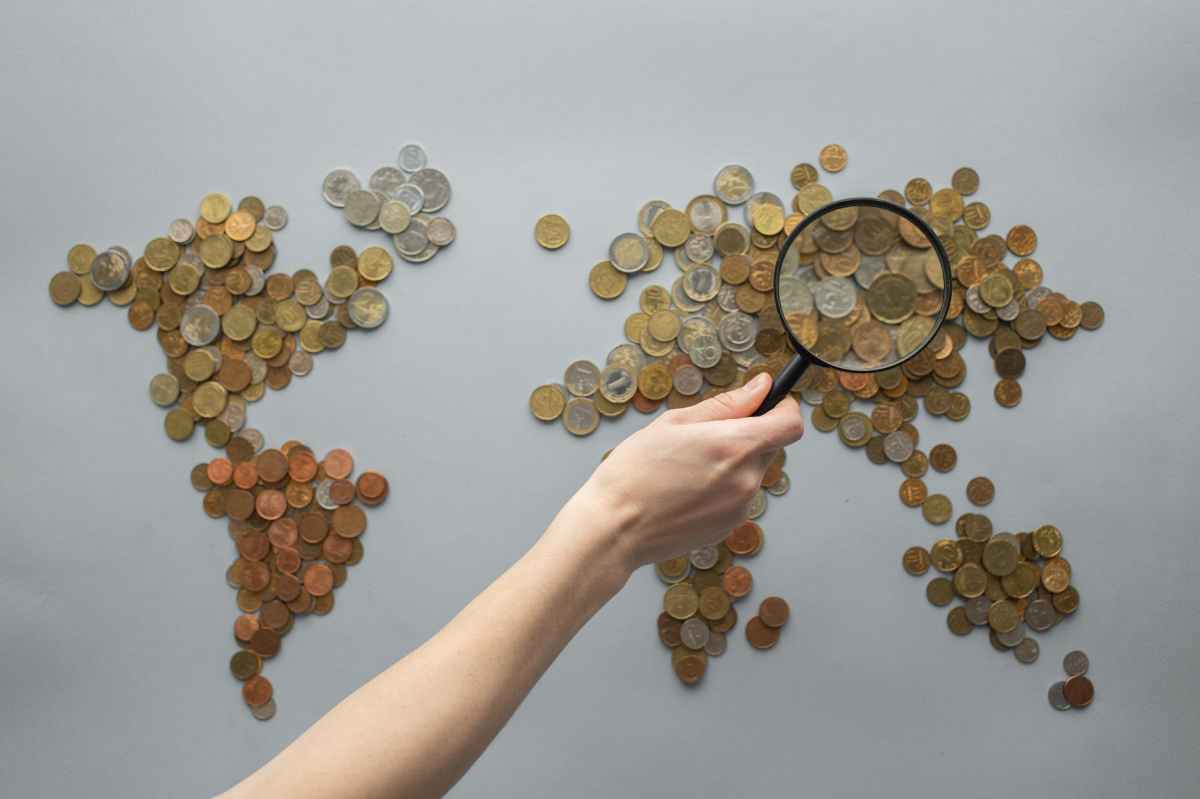
Expanding on this concept of familiarity bias, we come across home country bias in investing. This bias manifest itself when investors disproportionately allocate more capital to local assets, neglecting the potential opportunities available in the global market. It stems from the inclination to stick with what feels familiar and underestimating the rewards of expanding our investment horizons.
Behavioral explanations for home bias include a sense of control over outcomes when investing in familiar assets and markets. Investors tend to attach more risk to foreign investments due to lesser understanding of overseas companies. Currency risk adds to the complexity, as investors often like to trade in home/ local currency and avoid hedging currency exposure.
Diversify Your Capital: Balancing Human Capital and Financial Capital for Resilience
As we plan our financial journey, it’s essential to recognize the distinct types of capital we possess – human capital, representing our ability to work and earn money, and financial capital, denoting the assets we accumulate and invest.
Imagine a scenario where our human capital and financial capital are solely invested in our home country, tethered to the fortunes of the local economy. Despite the increasing interconnectivity of the world, most of us are heavily influenced by our local economies, employed by local companies or remote offices of global enterprises. In such situations, an unfavorable turn of events, such as a downturn in the local economy, can be devastating. Simultaneously losing our job due to poor economic conditions negatively impacts our human capital, while witnessing our financial portfolio suffer the same fate amplifies the downturn’s repercussions.
The Importance of Diversification
To mitigate such risks, it becomes crucial for investors to diversify their capital. By reducing exposure to domestic markets and expanding investment horizons, individuals can effectively manage the volatility and correlation between their human capital and financial capital. Diversification offers a shield against the worst-case-scenario and enhances the resilience of our overall financial well-being.

 My Money Box