Hey there, My Money Box Community! 👋
As many of you would know, one of the areas that I am passionate about is Financial Literacy of young people. While reviewing the Global Money Week (GMW) – an annual global awareness-raising campaign, I came across the following definition of Financial Literacy:
“Financial literacy is knowledge and understanding of financial concepts and risks, as well as the skills and attitudes to apply such knowledge and understanding in order to make effective decisions across a range of financial contexts, to improve the financial well-being of individuals and society, and to enable participation in economic life”
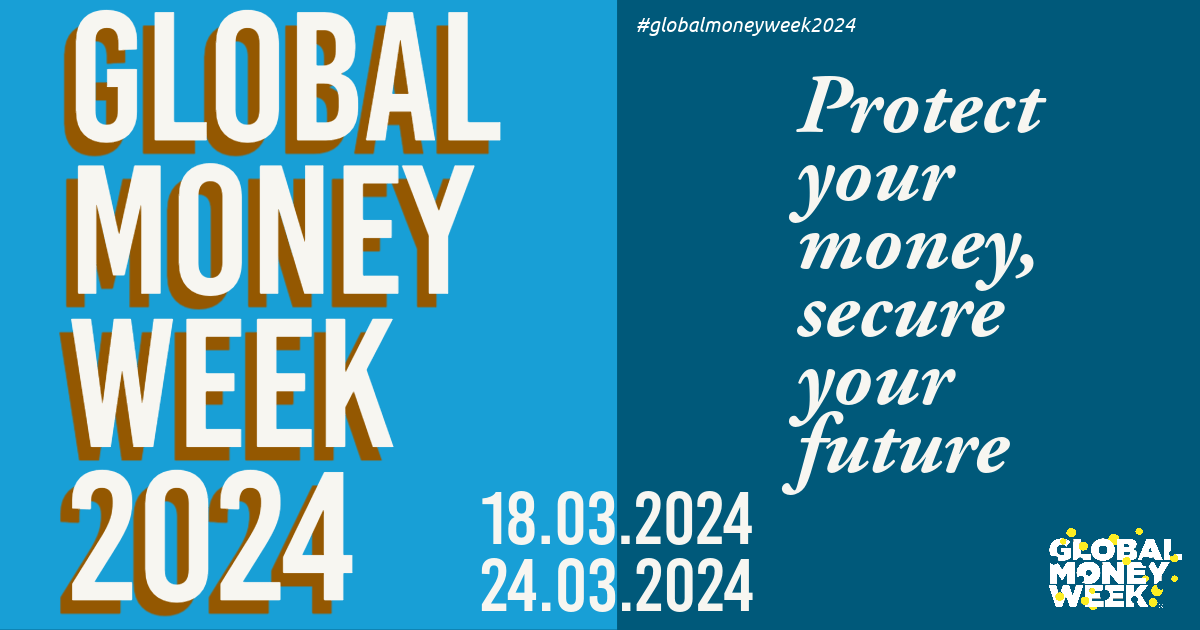
The 12th edition of GMW will take place on 18-24 March 2024 with the primary target of ensuring that young people, from an early age, are financially aware, and are gradually acquiring the knowledge, skills, attitudes and behaviors necessary to make sound financial decisions and ultimately achieve financial well-being and resilience.
There is even a Financial competence framework for children and youth in the European Union – with goals that were established in three broad areas such as money management, financial decision making and the general financial-economic environment, in which children take decisions now, as well as later in life.
The competences have been developed with the following overarching goals of equipping children and young people with the knowledge, skills, attitudes and behaviors to:
1) be able to manage money effectively in the short and long-term. This goal aims, to ensure that children know how and why it is important to store money safely and that they are able to prepare a budget to manage basic expenditures and income.
2) be able to make sound and informed financial decisions, be aware of their consequences and know where to find help. This goal underlines the importance of equipping children and youth with the skills to act responsibly in relation to money, including the importance of setting aside emergency savings and being confident to seek assistance when needed.
3) have a basic understanding of the economic and financial landscape. This goal strives to ensure that children and young people are generally familiar with the main financial products and services, and with the role of the main bodies in the economic and financial system (including pertaining to tax aspects).
4) be adequately prepared for the economic and financial aspects of adult life. This goal aims to make sure that children and young people have the financial literacy to take a broad range of personal financial decisions relevant for their adult lives
Do share your how you are helping your children in these areas in the comments section below.
References:
1. GlobalMoneyWeek website
2. EU/OECD (2023), Financial competence framework for children and youth in the EU

 My Money Box